While much of Sandwell’s industrial heritage is anchored in mining, ironworking and engineering, textiles have played a distinct role not just in industry, but in the borough’s multicultural heritage.
Local filmmaker Bhulla Beghal was announced as one of just five filmmaking teams selected for the Netflix Documentary Talent Fund earlier this year. His short film will offer an intimate insight into one of the Black Country’s surviving textile factories, the industry around it and the communities connected to it, from his hometown of Smethwick.
Textiles and the Black Country
Throughout the 1960s, 70s and 80s, South Asian, African and Caribbean communities made a vital contribution to the localised textile and garment manufacturing businesses across Sandwell, in particular Smethwick, Oldbury and West Bromwich.
These smaller garment factories, tailoring outfits, and subcontracted textile units became an integral part of the local urban economy, reflecting the shifting demographics and entrepreneurial drive of the region after World War II.
Workers
Sandwell had the world’s attention in 1910 when the women’s chainmakers of Cradley Heath laid down their tools in their back yards to strike for a living wage, led by campaigner Mary Macarthur.
Echoing the region’s past of fighting for workers’ rights, in 1982 Sikh women organised strikes over low pay and for union recognition at Supreme Quilting and Raindi Textiles in Smethwick and were visited on the picket line by the then Labour leader, Michael Foot.
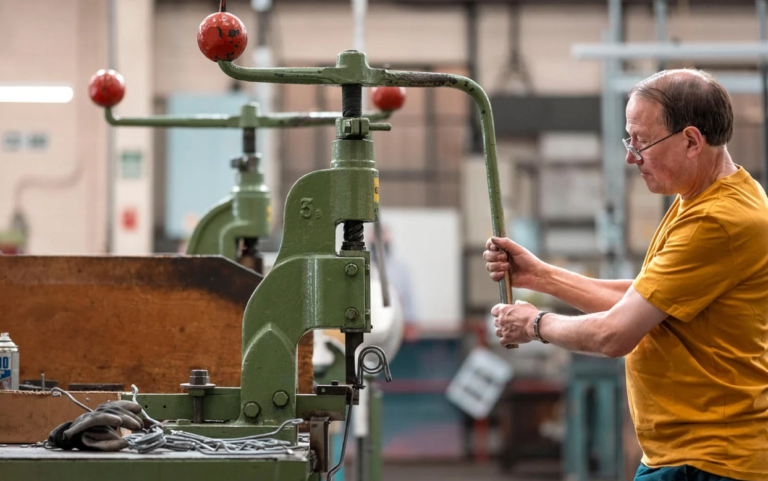
The domestic sewing, garment workshops and later 20th-century clothing factories saw working-class and immigrant communities form a vital part of the local labour force.
Beyond the Factories
As with stories across Sandwell’s industrial past, the textile industry bore more than just a story about making things. There are whole communities who grew up around these businesses and whose families are connected to textiles across the borough still today.
These stories bear some of the harsh realities of making a living in post-war Britain, but also are a feature of the strength of communities and entrepreneurial spirit.
Some of these stories have been brought to life by projects such as the Lite Project by Community Education Academy of Leadership (CEAL) in West Bromwich.
Sharing the Story in Film
Bhulla Beghal and producer Sima Gonsai were announced as one of five filmmaking teams selected by Netflix from thousands of applications to receive funding and professional support from the Netflix Documentary Talent Fund.
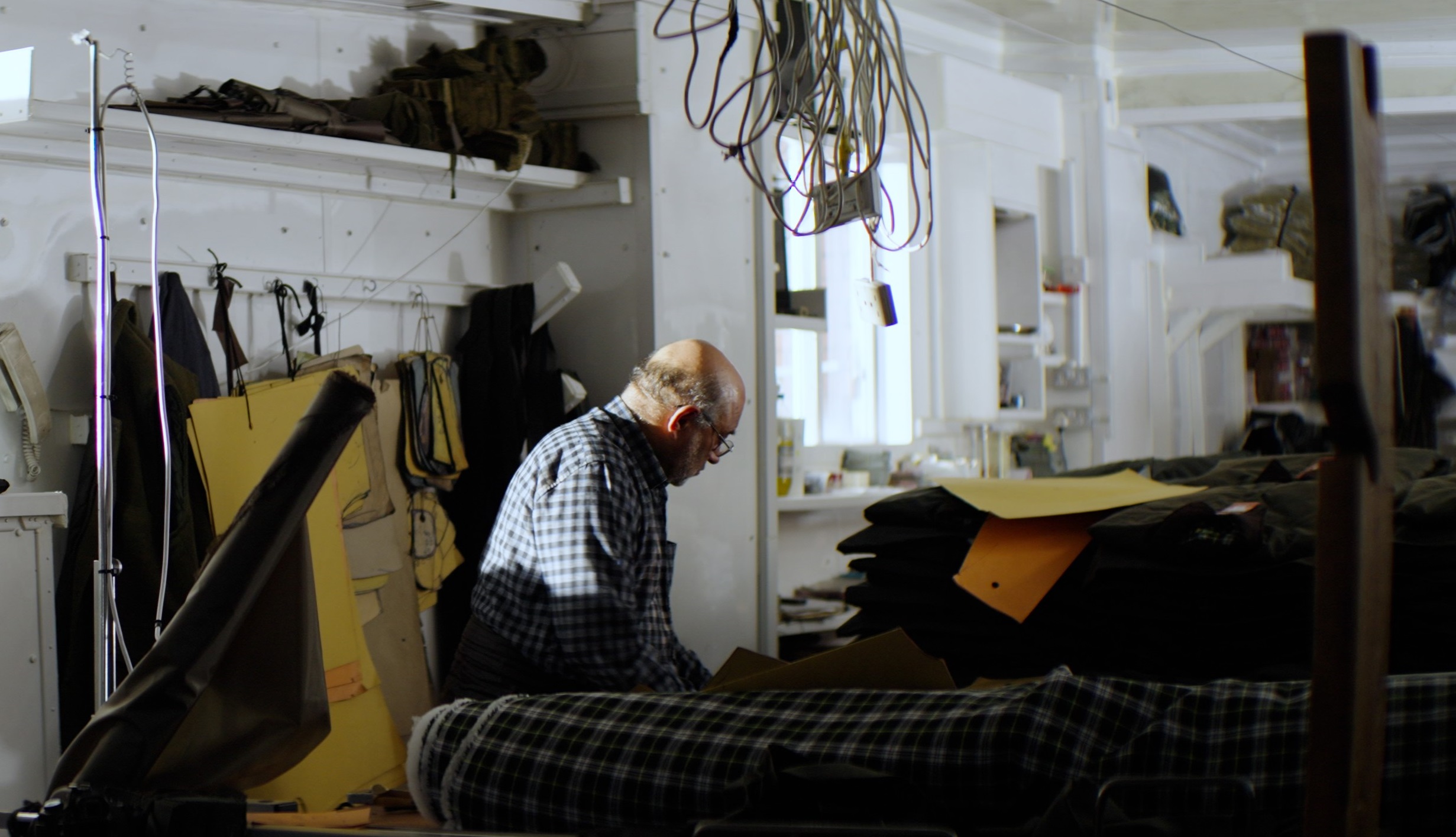
His documentary ‘Factory Dad’ will tell the story from the backyard of his family home in Smethwick, one of the last textile factories in the Black Country and how it keeps running against the tide of a changing world. Inside, an Indian-born father spends his days crafting British wax and tweed coats alongside his faithful cat, Lola. His filmmaker son embarks on a journey to understand the man behind the work, and the life woven into every stitch.
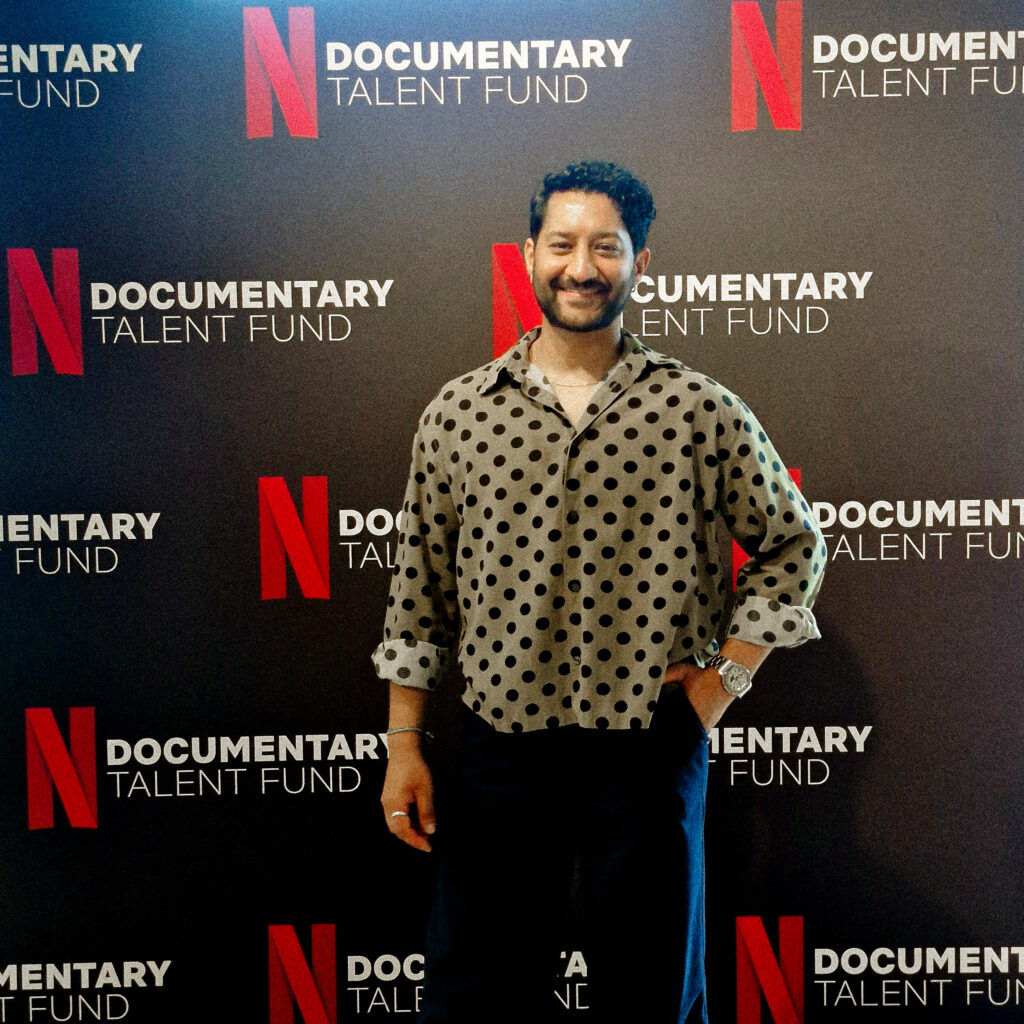
The documentary will be between 8-12 minutes long and will be screened in partnership with Sheffield DocFest in Summer 2027. With a £30,000 production budget and development support from Netflix, the documentary will later be made publicly available through Netflix’s YouTube channel.
You can watch Bhulla’s interview on BBC Midlands Today about it here.